It’s important to feel good in the sauna
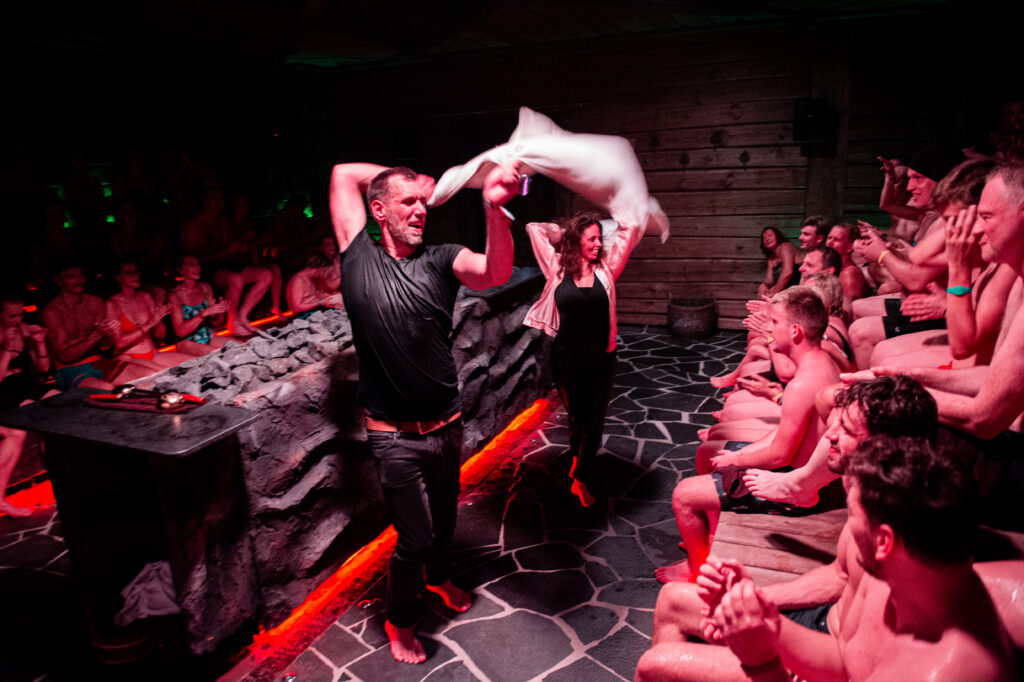
Being a sauna master comes with great responsibility, which is why those at Elamus Spa are constantly
educating and bettering themselves in order to provide guests with the best possible sauna experience. Not only are sauna masters
responsible for providing an experience, but they must also ensure that everyone feels good in the sauna.
Our sauna masters are trained by Dr Annelii Jürgenson, a rehabilitation doctor at the North Estonia Medical Centre.
Dr Jürgenson notes that all saunas, whatever their type, have a positive and healing effect on our
supporting and connective tissues. Muscles relax more easily in a sauna, which can be helpful in the case of tense
and strained connective tissues.
A sauna also provides relief from chronic joint and muscle pain, as well as back problems, neuritis and
nerve pain in the hands. However, when it comes to bone and joint diseases, care should be taken with
post-sauna cooling down, as this can aggravate such diseases.
Sauna treatments also have a direct effect on the cardiovascular system: blood vessels dilate,
blood pressure lowers and the heart rate stabilises. As a result, our body’s overall circulation
improves and we start to sweat to get rid of excess heat.
Sauna rules were made to be followed
Dr Jürgenson stresses that all these positive effects will only work if certain rules and
recommendations are followed:
Don’t overeat before going to a sauna, and avoid alcohol consumption. Drink mineral water or tea instead.- Check your heart rate before entering the sauna. If your heart rate is more than 14 beats faster after the sauna, the temperature is too high for your body.
- Don’t remain in a hot sauna (70-80°C) for more than 15 minutes at a time. If you notice red spots on your body, you should stop immediately, as this is a sign of circulation issues.
- People with high blood pressure, heart disease or chronic lung disease should be cautious of cooling procedures, as sudden cooling may cause an extreme increase in arterial pressure in the pulmonary circulatory system and increases their respiratory rate.
According to Dr Jürgenson, you should avoid saunas if you have any of the following medical conditions:
Malignant tumours- Viral respiratory diseases
- Active tuberculosis
- Stomach ulcers or liver inflammation
- Elevated intraocular pressure
- Acute kidney inflammation or kidney failure
- Acute inflammation of the genital tract or after surgical treatment of the genitals
- Following a stroke or heart attack
- Acute joint inflammation and during treatment with anti-inflammatory hormonal medicine
- Fresh (e.g. post-operative) stitches
- Parkinson’s disease or psychosis
What happens if you get sick in a sauna?
Sauna rituals usually guarantee a good time, but it’s not impossible that people will to start to feel sick or even collapse in a sauna. Thankfully, our sauna masters have the skills needed to help in such eventualities.
If someone collapses during a ritual or starts feeling sick, the first thing to do is to sit them down outside the sauna, then fill a metal bowl with cold water and place the person’s feet in it. This is the fastest way to cool down the body. If that doesn’t work, use cold towels to cool their hands and arms and give them room-temperature water to drink.